By David Parks · eXp Realty · The Apollo Group · 2 min read
A home inspection is a visual, non-invasive review of a home’s major systems and structure by a licensed or qualified inspector, usually completed in two to four hours. It gives buyers a clear picture of condition before the inspection deadline in their contract passes.

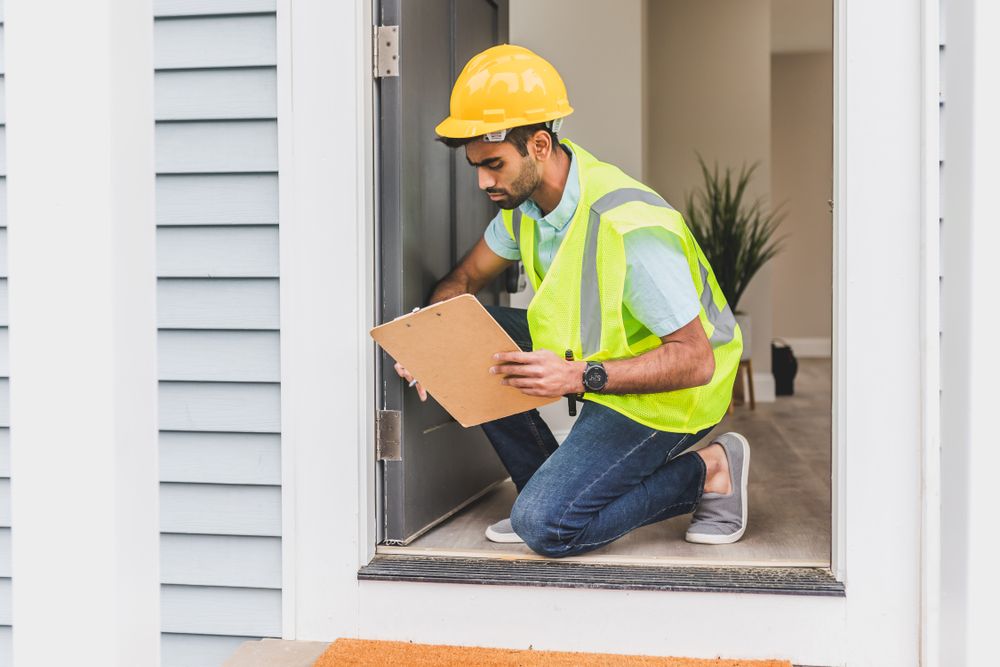
A general inspector reviews the roof, exterior, foundation, attic, plumbing, electrical, heating and cooling, water heater, windows, doors, and visible interior surfaces. They test what they can reach safely, like outlets, faucets, and appliances, and note anything worn, damaged, or unsafe.
Inspectors generally do not open walls, move heavy furniture, or predict future repairs. Specialty items such as sewer lines, radon, mold, chimneys, and septic systems are usually separate add-on inspections.
Attend the last hour if you can. Ask the inspector to explain what is urgent, what is routine maintenance, and what deserves a specialist. In Colorado, your contract sets an inspection objection deadline, so schedule early and leave time for follow-up visits.
Buyers sometimes treat every note as a deal breaker or skip the inspection to compete. A good rule is to focus on safety, structure, water, and big-ticket systems first, then decide what to request from the seller.
This article is general information, not legal, tax, financial or inspection advice. Every home and situation is different, so confirm details with a licensed inspector, lender, attorney or tax professional.

David is a Greater Denver real estate advisor with eXp Realty and The Apollo Group (Colorado broker license FA100103211). He has closed more than $55 million in volume, earned eXp Icon status in 2025, and holds a 5.0 rating on Zillow from 27 verified reviews.
Denver market updates, new listings, and local tips — no spam, unsubscribe anytime.