By David Parks · eXp Realty · The Apollo Group · 2 min read
One headline says prices are falling and the next says they are rising. Both can be true, because asking prices cool in the fall, and price changes differ a lot from one city to another.

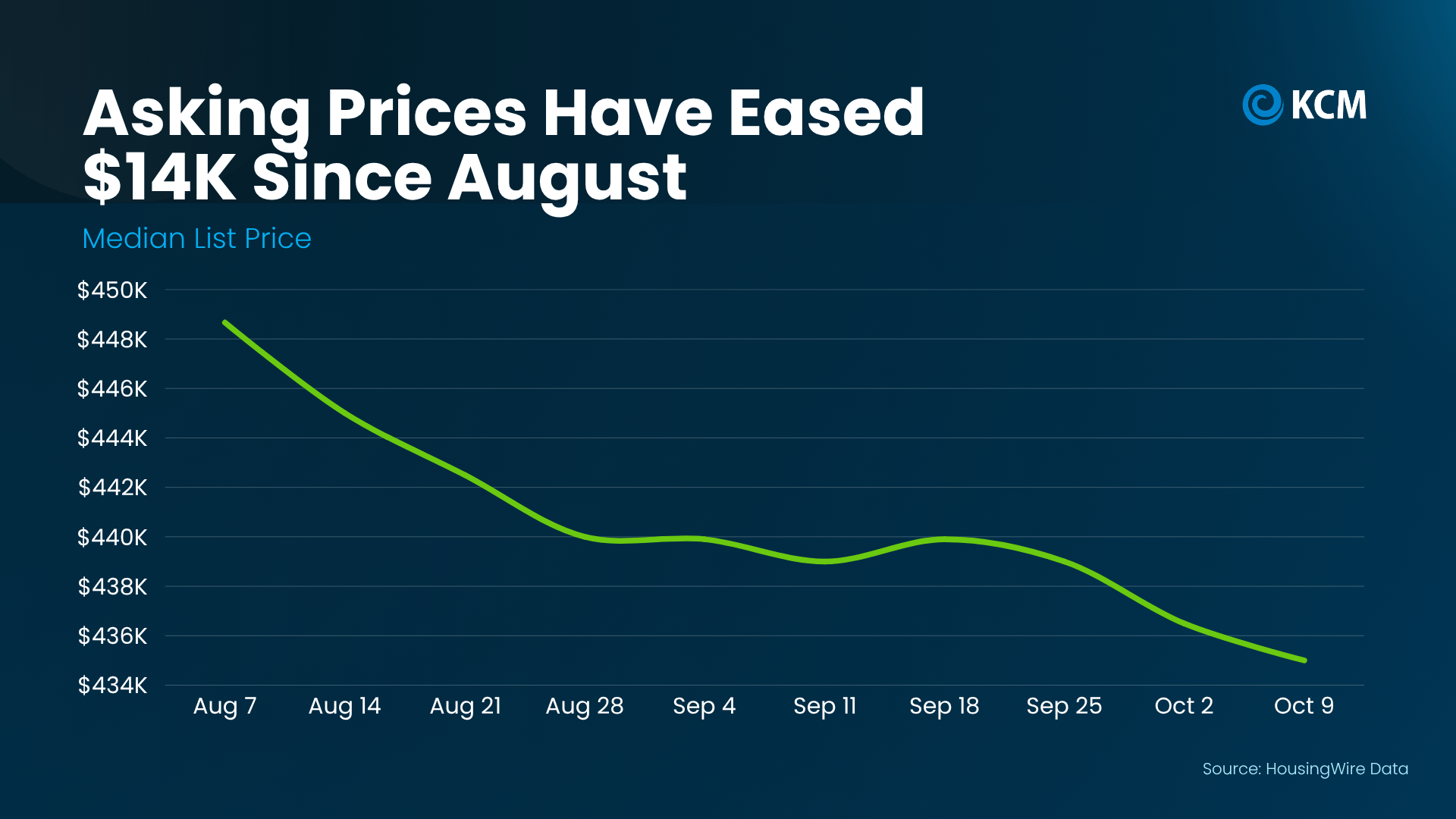
HousingWire Data showed the national median asking price falling from about $449,000 in early August to $435,000 two months later, a dip of about 3 percent. Part of that is seasonal, since asking prices usually cool after the busy summer, and part reflects sellers pricing to what buyers can afford at current rates. There were also more homes for sale than at any point since November 2019, and homes were taking longer to sell.
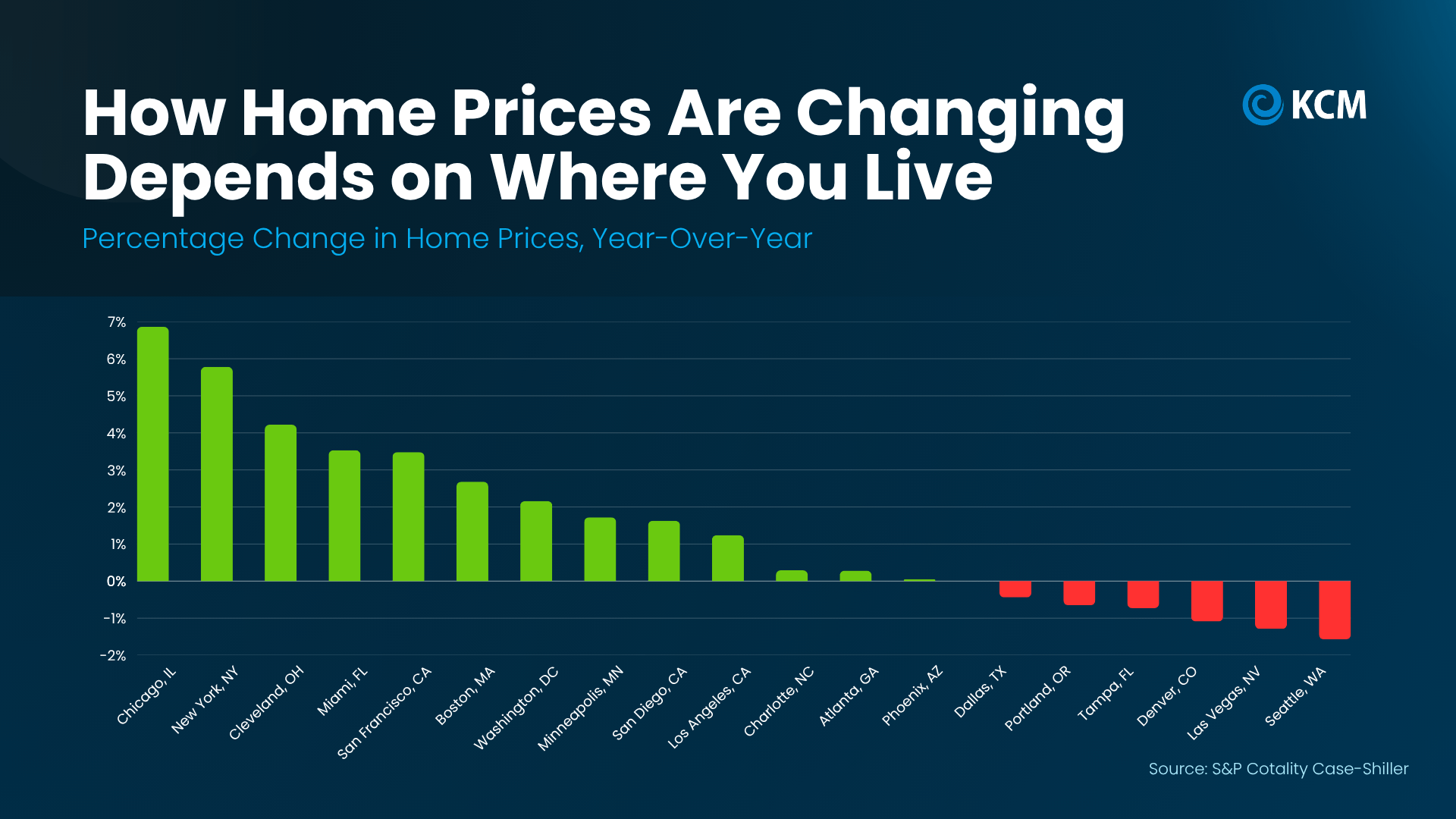
Realtor.com notes that local trends can diverge sharply from national averages. In the S&P Cotality Case-Shiller data cited, prices over the past year rose almost 7 percent in Chicago and dipped about 1.6 percent in Seattle. The analysis also noted that buyers in Denver may have more room to negotiate, while sellers in markets with rising prices may not need to cut.
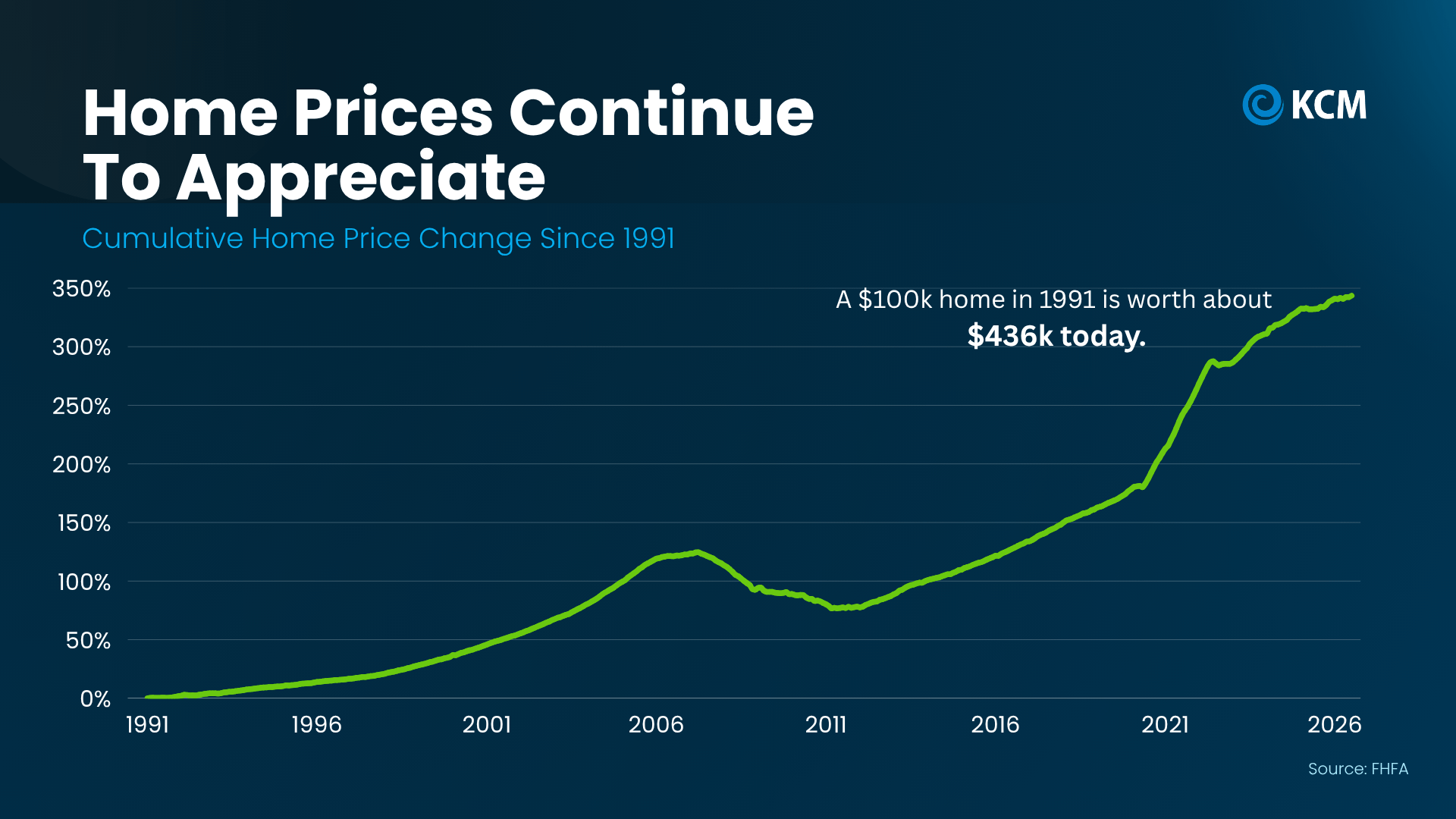
Even in major metros where prices fell, the declines were 2 percent or less, far from 2008. The Federal Housing Finance Agency says national prices have risen year over year every quarter since 2012, and that a $100,000 home bought in 1991 would be worth about $436,000 today, even with the 2008 crash included.
National headlines cannot tell you what your home is worth or how much room you have to negotiate. A local agent can. David can pull recent sales and list-to-sale ratios for your neighborhood.
HousingWire, Realtor.com, S&P Cotality Case-Shiller, and FHFA, as reported in October 2026. Graphics by Keeping Current Matters.
This article is general information, not legal, tax, financial or inspection advice. Every home and situation is different, so confirm details with a licensed inspector, lender, attorney or tax professional.

David is a Greater Denver real estate advisor with eXp Realty and The Apollo Group (Colorado broker license FA100103211). He has closed more than $55 million in volume, earned eXp Icon status in 2025, and holds a 5.0 rating on Zillow from 27 verified reviews.
Denver market updates, new listings, and local tips — no spam, unsubscribe anytime.